
Sustainable Travel Trends 2025: A Path Towards a Greener Future
Related Articles: Sustainable Travel Trends 2025: A Path Towards a Greener Future
- 10 Essential Solo Travel Safety Tips For The United States
- Immersive Escapes: Unlocking The World Of VR Travel Experiences At Home In The USA
- Remote Work’s Hidden Gem: 10 Wellness Retreats To Recharge And Revitalize
- Unveiling The Allure Of Off-Grid Travel Destinations In The USA: A 1500-Word Guide
- The Unstoppable Rise Of Travel Tech In The USA: A Glimpse Into The Future
Introduction
With enthusiasm, let’s navigate through the intriguing topic related to Sustainable Travel Trends 2025: A Path Towards a Greener Future. Let’s weave interesting information and offer fresh perspectives to the readers.
Table of Content
Video about Sustainable Travel Trends 2025: A Path Towards a Greener Future
Sustainable Travel Trends 2025: A Path Towards a Greener Future

Introduction
The travel industry, once known for its carbon-intensive practices, is undergoing a transformative shift towards sustainability. Driven by a growing global awareness of environmental concerns and the increasing demand for responsible tourism, sustainable travel practices are emerging as the norm in the United States. This article explores the key sustainable travel trends that will shape the industry in 2025 and beyond.
1. Carbon-Neutral Travel
The reduction of carbon emissions has become a top priority for the travel industry. Airlines, cruise lines, and hotels are implementing innovative measures to minimize their environmental impact. By investing in fuel-efficient technologies, using renewable energy sources, and offering carbon offset programs, businesses are empowering travelers to make environmentally conscious choices.
2. Eco-Friendly Accommodations
Hotels and resorts are embracing sustainability through various initiatives. The use of biodegradable materials, energy-efficient appliances, and water conservation measures is becoming widespread. Eco-lodges and glamping experiences, which offer immersive nature-based accommodations, are also gaining popularity.
3. Slow and Immersive Travel
The concept of slow travel encourages travelers to explore destinations at a leisurely pace, immersing themselves in local culture and minimizing their environmental footprint. By opting for walking, cycling, or public transportation, travelers can connect with the surroundings and reduce their carbon emissions.
4. Responsible Wildlife Tourism
Wildlife tourism has the potential to both benefit and harm local ecosystems. Sustainable practices ensure that wildlife is protected and respected. Operators are implementing ethical guidelines, limiting visitor numbers, and promoting responsible viewing practices.
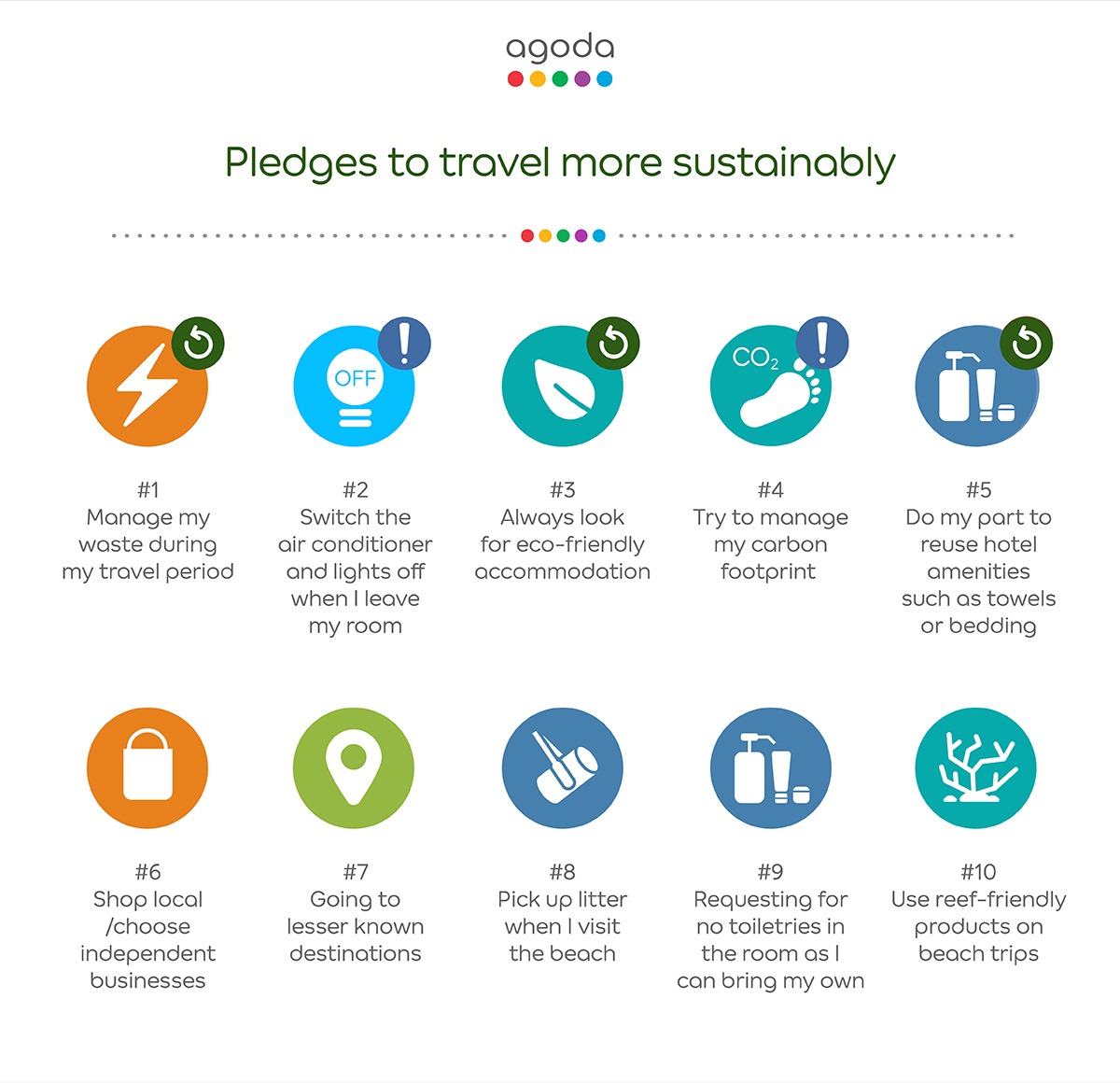
5. Sustainable Food Choices
The food choices made by travelers can have a significant environmental impact. Supporting local farmers, opting for plant-based meals, and reducing food waste are all important steps towards sustainable food consumption. Restaurants and food vendors are increasingly offering eco-friendly options.
6. Ecotourism and Conservation
Ecotourism, which focuses on protecting natural habitats and supporting local communities, is becoming a major trend. Travelers are choosing destinations where tourism revenue directly benefits conservation efforts. This includes visiting national parks, supporting wildlife sanctuaries, and participating in volunteer programs.
7. Sustainable Transportation

The transportation sector is a major contributor to carbon emissions. Sustainable travel involves choosing environmentally friendly modes of transportation. Electric vehicles, hybrid cars, and public transportation are becoming more accessible and convenient.
8. Green Meetings and Events
The business travel sector is also embracing sustainability. Green meetings and events prioritize reducing waste, using sustainable materials, and offsetting carbon emissions. Virtual and hybrid events are becoming more common, reducing the need for air travel.
9. Sustainable Souvenirs and Shopping
Travelers are increasingly seeking out sustainable souvenirs and products. Artisanal crafts, locally sourced goods, and eco-friendly materials are becoming more popular. This supports local economies and reduces the environmental impact of mass-produced souvenirs.

10. Technology for Sustainability
Technology is playing a vital role in promoting sustainable travel. Travel apps provide information on eco-friendly accommodations, transportation options, and local experiences. Online platforms connect travelers with local guides and community-based tourism initiatives.
Benefits of Sustainable Travel
Embracing sustainable travel practices offers numerous benefits for individuals, communities, and the environment:
- Reduced carbon emissions and climate change mitigation
- Protection of natural habitats and biodiversity
- Support for local economies and communities
- Enhanced travel experiences and cultural immersion

Closure
Thus, we hope this article has provided valuable insights into Sustainable Travel Trends 2025: A Path Towards a Greener Future. We thank you for taking the time to read this article. See you in our next article!
Googling about Sustainable Travel Trends 2025: A Path Towards a Greener Future